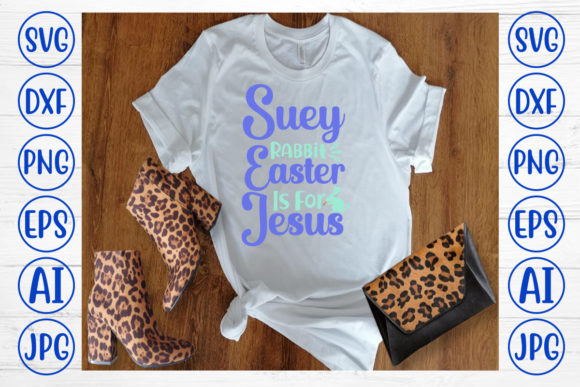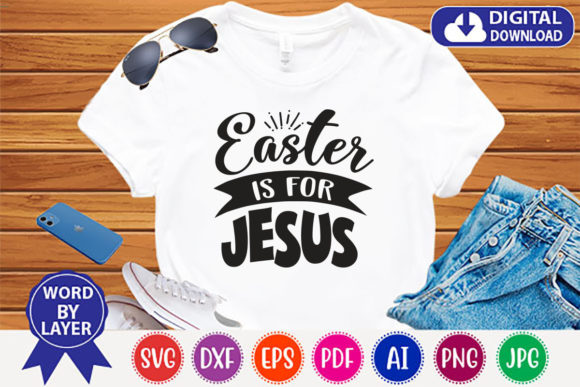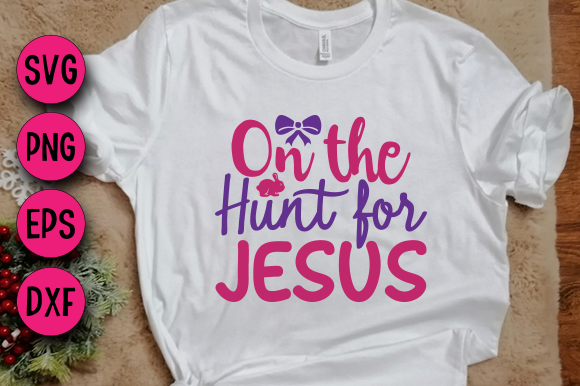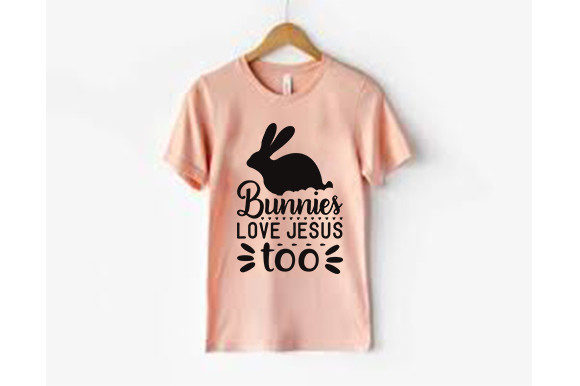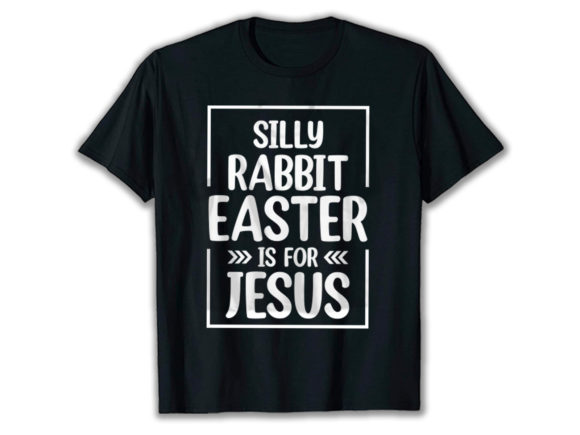
Silly-rabbit-easter-is-for-jesus
Over the years I have opened hundreds of embroidery files and evaluated them for real production work. Some designs look promising on screen but fall apart during stitching. Others feel flat in the preview but come to life in the hoop. When I first opened Silly-rabbit-easter-is-for-jesus, I was curious how a playful rabbit motif would pair with a faith-centered Easter message. The name itself hints at a balance between whimsy and reverence, and that is a tricky line to walk in embroidery. After running this design through several test stitches and using it in actual client work, I want to share what I have learned so you can decide if it belongs in your own project lineup.
This design belongs to the T-Shirt Designs category, and that placement makes sense. The composition is bold enough to read well on a standard tee without feeling crowded. The silhouette of the rabbit carries a lighthearted energy, while the lettering grounds the piece in an Easter theme that goes beyond bunnies and eggs. That combination gives it a distinct personality that works for both personal gifts and commercial products. If you are an Etsy seller or a small shop owner looking for something that stands out among generic spring motifs, this design offers a thoughtful alternative.
First Impressions of a Faith-Filled Easter Design
The first thing I noticed was the visual weight of the rabbit. It is not overly detailed, which is a smart choice for embroidery. The shape reads clearly at a glance, and the ears have enough curve to feel lively without creating stitching problems. The lettering sits in relation to the rabbit in a way that feels intentional. Nothing looks squeezed in or forced. The overall mood is warm and inviting, not preachy. That matters when you are creating handmade products that will be worn or displayed in everyday settings. A design that feels heavy-handed with its message tends to limit its audience. This one strikes a tone that feels genuine and approachable.
From a technical standpoint, the design avoids the trap of trying to do too much. There is no excessive layering or tiny decorative elements that might cause trouble during digitizing. The stitch density appears balanced, and the transitions between the rabbit and the text look smooth in the preview. I appreciated that the layout does not rely on delicate lines that could disappear on textured fabrics. That alone makes it a strong candidate for custom apparel and personalized gifts where you want the design to hold up over time.
Where This Design Shines in Real Embroidery Work
After testing Silly-rabbit-easter-is-for-jesus on several fabric types, I can say it performs best on medium-weight woven and knit fabrics. I stitched it onto a cotton tote bag design first, and the results were clean. The satin stitch elements in the rabbit outline held their shape, and the fill stitch areas covered evenly without gaps. The lettering came out crisp, even at the size I used for the tote. That is important because tote bags are a popular product category for craft business owners, especially around spring and Easter. Customers expect a design that looks polished after repeated use, and this one delivered.
I also tested it on a sweatshirt embroidery project. The heavier fabric did not distort the stitch pattern, and the design sat flat without puckering. The rabbit motif felt soft against the fleece, which is a good sign for baby embroidery or children's apparel. For anyone making holiday embroidery pieces for family or clients, this design adapts well to both lightweight and midweight materials. I would not hesitate to put it on a pillow cover or a tea towel either, as long as the fabric is stable and properly stabilized.
Another area where this design excels is in embroidered patch production. The shapes are distinct enough that you can stitch it onto patch material, cut around the outline, and sell it as a standalone item. Patches are a favorite category among digital product sellers and makers who sell at craft fairs. A faith-based Easter patch with a playful rabbit appeals to buyers who want something meaningful but not overly solemn. I could see this doing well as a small shop product in the weeks leading up to Easter.
A Real Project Scenario: From File to Finished Tote
Let me walk you through a real scenario. A repeat client asked me to create a run of custom totes for a church Easter event. She wanted something that would appeal to both kids and adults. We looked at several machine embroidery design options, and Silly-rabbit-easter-is-for-jesus was the one that felt right. The rabbit gave the tote a playful entry point, and the message gave it depth. I stitched the first sample on a natural cotton tote using a medium hoop size. The design centered nicely, and the thread colors I chose a soft brown for the rabbit and a muted green for the lettering gave it an earthy feel that matched the event theme.
The stitching went smoothly. I used a tear-away stabilizer and a size 75 needle. No thread breaks, no shifting, no distorted lettering. The tote came out looking professional and ready for everyday use. My client ordered a dozen more, and every single one stitched consistently. That kind of reliability matters when you are running a commercial embroidery operation or a handmade shop with tight deadlines. If a design causes trouble in the hoop, it costs you time and materials. This one did not waste either.
I also tested the design on a dark fabric using white thread to see how it would read. The contrast was strong, and the detail in the rabbit silhouette remained visible. That is a good sign if you plan to offer custom apparel in multiple colors. Whether you are stitching onto light or dark backgrounds, the design holds its visual clarity.
Where to Use This Design with Caution
No design is perfect for every surface, and Silly-rabbit-easter-is-for-jesus has a few limitations worth noting. The first is small hoop sizes. If you try to scale this design down significantly for a tiny garment or a cap or hat, the lettering may become too tight. Small lettering in embroidery can lose readability when reduced below a certain size. I would keep the design at a size where the text remains clear and the rabbit details do not get squeezed. For curved surfaces like caps or baby bonnets, test a sample first to see how the design conforms to the shape.
Another area to approach carefully is thin fabric or stretchy fabric. Lightweight knits or sheer materials may not support the stitch density without puckering. If you plan to use this design on a baby onesie or a delicate tea towel, use a stabilizer that provides enough structure. I recommend a cut-away stabilizer for knits and a tear-away for wovens. Testing on a scrap piece of the same fabric before committing to the final product is always a good habit.
I also suggest being mindful of dense stitch areas if you are layering the design with other elements. Adding extra decorative accents around the rabbit or text could create unnecessary bulk. The design works best when it stands alone or sits with minimal companion stitching. For applique design work, this file is not intended as an applique, but you could adapt it by converting the fill areas to fabric pieces if you have the digitizing skills. Out of the box, it functions as a straight embroidery file.
How This Design Affects Product Value and Customer Trust
The way a design stitches out directly influences how customers perceive your handmade product. A clean, professional finish builds trust. A sloppy or distorted design undermines everything you have put into the item. Silly-rabbit-easter-is-for-jesus stitches with consistency, which means your finished pieces will look reliable and well-made. That is exactly what buyers look for when they purchase personalized gifts or boutique products from a small business. They want something that feels special and durable.
For Etsy sellers, listing photos that show a cleanly stitched design can make the difference between a click and a pass. If you use printable mockup tools or design assets to present your products, this design will photograph well because the shapes are distinct and the contrast is strong. I would recommend creating a few mockups on different product types a sweatshirt, a tote, and a pillow cover so customers can envision the design in their own lives.
From a brand consistency standpoint, this design fits a niche that is often underserved. Many Easter embroidery designs lean heavily secular or strictly religious. This one bridges the gap. That gives you a talking point in your product descriptions. You can highlight the balance of fun and meaning, which resonates with buyers who want something heartfelt without being overwhelming. That kind of positioning can strengthen your shop's identity and attract a loyal customer base.
Practical Designer Notes Before You Stitch
Before you load this embroidery file into your machine, take a few steps to ensure the best result. First, test the design on scrap fabric that matches your final product material. Check the thread color against the fabric color. Light thread on dark fabric and dark thread on light fabric both work well with this design, but mid-tone combinations may reduce contrast. If you are using a multicolor thread palette, keep the palette simple. Two or three colors are plenty for this design to read clearly.
Review the stitch density in your software if possible. The design should not be overly dense, but if you plan to use it on a very thick or very thin fabric, you may want to adjust the density settings. Confirm your hoop size can accommodate the full design without crowding. If you are working with a smaller hoop, consider whether scaling down will affect the readability of the lettering.
Test the design in black and white mockups as well. That helps you see how the design reads without color distraction. It also gives you a preview of how it will look in monochrome projects. Compare it on both light and dark fabric backgrounds in your software or with a physical stitch-out. The difference between a digital preview and a real stitch-out can be significant, and you want to catch any issues early.
Use a proper stabilizer for your fabric type. For most woven and knit fabrics, a medium-weight tear-away stabilizer works well. For stretchy or unstable fabrics, switch to cut-away. Needle choice also matters. A sharp needle in the correct size for your thread weight will reduce skipped stitches and fabric damage.
Finally, confirm licensing terms before using this design for commercial embroidery or selling finished items. Even though the file is labeled under T-Shirt Designs, the usage rights may vary depending on where you purchased it. Some digital embroidery file listings allow unlimited commercial use, while others restrict it to personal projects. Check the seller's policy so you stay compliant. If you plan to sell finished products featuring Silly-rabbit-easter-is-for-jesus, make sure your license covers that.
If you are a creative entrepreneur or a hobbyist looking to expand your Easter offerings, this design is worth adding to your library. It stiches cleanly, reads well on multiple product types, and carries a message that many customers will appreciate. Test it on your preferred blanks, get comfortable with its size and thread needs, and then use it confidently in your next project.