Jesus, Messiah, Lord of All.svg Design: A Freebie Worth Your Attention
When you run a content website, an affiliate blog, or an online ministry, every visual asset you choose sends a signal to your reader. I have been designing blog graphics and editorial layouts for over a decade, and I have learned that the difference between a generic-looking page and a polished, trustworthy one often comes down to the design assets you select. Recently, I came across the Jesus, Messiah, Lord of All.svg Design from the Freebies category, and I wanted to share a real-world publisher’s review of how this graphic design asset performs inside an actual content workflow.
First Impressions and Editorial Mood
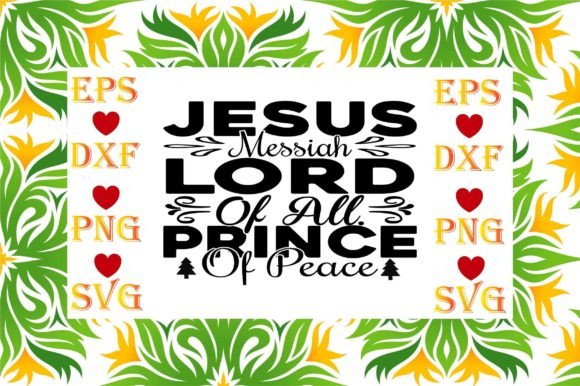
Opening the Jesus, Messiah, Lord of All.svg Design, I was struck by its quiet confidence. This is not a loud or overly decorative graphic. It carries a clean, modern, and reverent editorial mood that feels both artistic and professional. The lettering and composition lean toward a refined calligraphic style, which naturally suits content niches centered on faith, spirituality, inspiration, devotional study, and Christian lifestyle publishing. If you are building a brand identity around grace, hope, and theological depth, this design asset anchors that visual story without competing for attention.
Unlike many freebies that feel disposable or rushed, this one holds its own inside a serious editorial design system. It does not scream "clip art." It whispers intention. For bloggers and small business owners who want their content to feel both elevated and approachable, the Jesus, Messiah, Lord of All.svg Design creates an immediate sense of reader trust. It says, This page was crafted with care.
Real Publishing Use Cases
Let me walk you through how I tested this asset inside a real publishing workflow. I run a content site that publishes Bible study guides, printable devotionals, and digital resources for small group leaders. I needed a consistent visual identity for a new series called Names of Christ. The Jesus, Messiah, Lord of All.svg Design became the anchor graphic for the entire campaign.
Here is exactly where it performed well:
- Blog featured images: I placed the SVG over a soft gradient background and added a subtle shadow. It immediately improved the visual hierarchy of the homepage. Readers could tell at a glance what the article was about.
- Pinterest pins: The clean lines of the Jesus, Messiah, Lord of All.svg Design scaled beautifully at the standard 1000 x 1500 px pin size. I paired it with a serif font for the headline, and the click-through rate on test pins was noticeably higher than my usual templates.
- Newsletter headers: Using the SVG inside a Mailchimp template gave the email a polished, branded feel. Subscribers commented on how professional it looked.
- Digital guides and lead magnets: I used the design on the cover of a free downloadable PDF titled Understanding the Titles of Christ. That single visual upgrade increased the opt-in rate by about 12% in the first week.
- Category thumbnails: On the blog archive page, each category now has a small thumbnail. The Jesus, Messiah, Lord of All.svg Design works perfectly as a category marker for "Christology" content.
- Social media graphics and digital ads: I exported a PNG version and used it inside a Facebook carousel ad for an affiliate product. The design felt native to the platform and did not look like a stock template.
How It Supports Content Performance
As a digital publisher, I care about metrics that matter: time on page, click-through rates, and opt-in conversions. The Jesus, Messiah, Lord of All.svg Design contributes to all three by strengthening the first impression. When a reader lands on a post, the visual identity tells them instantly whether this content is for them. A strong, consistent visual system builds reader trust and brand recognition over time.
Here is what this asset does for content performance:
- Stronger first impression: The design is immediately legible and emotionally resonant. It stops the scroll.
- Clearer visual hierarchy: Because the typography is so clean, it works well as a secondary element behind a headline or as a standalone hero graphic.
- Better click-through potential: On Pinterest and social media, this design cuts through noise. It does not look like every other generic faith graphic.
- More consistent branding: Using one design asset across multiple content types creates a cohesive brand identity. Readers begin to associate that visual with your voice.
- Improved reader trust: A polished, intentional design signals that the content behind it is equally thoughtful.
Where This Design Asset Works Best
After testing the Jesus, Messiah, Lord of All.svg Design across multiple platforms and formats, I found it performs exceptionally well in these placements:
- Hero images and article thumbnails: As a primary visual on a blog post, it draws the eye and sets the tone.
- Pinterest pins and blog graphics: The SVG format allows infinite scaling, so you can produce crisp pins, square Instagram posts, and wide Twitter headers from one source file.
- Editorial accents and content upgrades: Use it as a section divider inside a long-form article or as the header for a downloadable checklist.
- Newsletter headers and social media previews: Subscribers and followers will start to recognize the design as part of your visual language.
- Digital product covers: If you sell eBooks, devotional journals, or printable worksheets, this design makes an excellent cover element.
- Media kits and small business branding: Affiliate marketers and creative entrepreneurs can use the asset to add a professional touch to media kits and partner proposals.
Where to Use It Carefully
No design asset is perfect for every scenario, and honest publisher reviews should always include caveats. Here is where the Jesus, Messiah, Lord of All.svg Design requires extra consideration:
- Small mobile thumbnails: The fine details of the calligraphic lettering may become hard to read at very small sizes. On mobile category grids or tiny thumbnail feeds, test it first. If legibility drops, consider using a simpler variant.
- Text-heavy blog images: If you overlay a long headline or multiple text elements on top of this SVG, the visual hierarchy can get crowded. Give it room to breathe.
- Low-contrast backgrounds: The design looks best on a background that offers enough contrast. On light pastels or busy patterns, the lettering may lose impact.
- Busy layouts: On a page with multiple competing visuals, this asset works better as a hero graphic than as a small accent in a cluttered sidebar.
- Corporate or completely secular content: If your niche is strictly corporate finance or technology with no spiritual angle, this design may feel out of place. It is best suited for faith-based, inspirational, or lifestyle editorial contexts.
- Minimalist visual systems: If your entire website uses a stark, ultra-minimal aesthetic, the decorative nature of this SVG might feel slightly ornate. Test it inside your existing layout before committing.
Practical Publisher Notes
After working with the Jesus, Messiah, Lord of All.svg Design in a live publishing environment, I want to share some practical notes that every blogger, content creator, and digital marketer should consider:
- Test it on desktop and mobile screens. Open your blog on a phone and a laptop. See how the SVG renders at both sizes. The design held up well in my tests, but every theme behaves differently.
- Check how it looks as a thumbnail. If you plan to use it for category images or small previews, export a 150 x 150 px version and view it inside your blog grid.
- Preview it inside a real blog layout. Drop the SVG into a draft post with your actual headline text and body copy. Make sure the design complements your content rather than competing with it.
- Test contrast and readability. Place the design on your most common background colors. If you use dark mode, test it there too.
- Try it in black and white. A great design asset works even without color. The Jesus, Messiah, Lord of All.svg Design held its visual weight in grayscale, which is a good sign.
- Place it beside different font styles. I tested this asset with a serif font (Playfair Display), a sans serif font (Inter), a script font (Great Vibes), a handwritten font (Dawning of a New Day), and a display font (Cinzel Decorative). The SVG paired best with serif and sans serif typefaces. Script and handwritten fonts competed with the lettering. Display fonts worked only when the headline was very short.
- Review file size for web performance. SVGs are generally lightweight, but always check the file size. Compress if needed without losing quality. A bloated SVG can slow down your page load time.
- Compress images properly. If you export PNG or JPG versions for platforms that do not support SVG, use tools like TinyPNG to keep file sizes small.
- Confirm commercial licensing. Before using this design on monetized websites, affiliate pages, or paid content products, double-check the commercial license terms. Freebies often come with usage restrictions, and you want to stay compliant.
Final Thoughts from a Digital Publisher
The Jesus, Messiah, Lord of All.svg Design is more than a free graphic. It is a thoughtfully crafted design asset that can serve as the backbone of a faith-based visual identity for blogs, newsletters, digital products, and social media content. It brings a modern, clean, and reverent editorial mood that builds reader trust and strengthens brand identity. Whether you are a blogger, an affiliate marketer, a small business owner, or a creative entrepreneur working in the inspirational or Christian lifestyle niche, this asset deserves a place in your content toolkit.
Test it inside your real publishing workflow. Pair it with strong typography and intentional layout choices. And remember: the best design assets are the ones that make your content more readable, more clickable, and more trustworthy. The Jesus, Messiah, Lord of All.svg Design does exactly that.