All I Need is Jesus and Oil Rig T-Shirt Designs Review
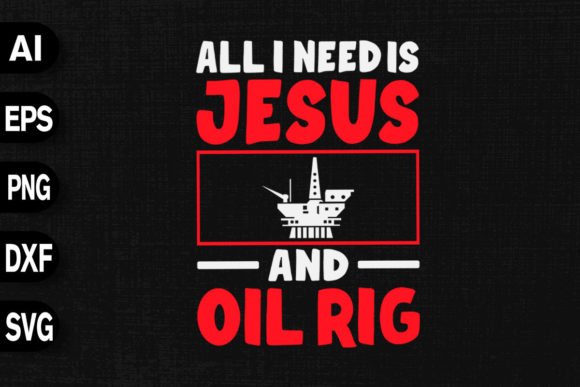
When I first opened the file for All I Need is Jesus and Oil Rig, I immediately recognized the kind of graphic that sells quietly but steadily on Etsy and print-on-demand platforms. It has a rugged faith-based vibe that appeals to a specific niche: people who work in or admire the oil and gas industry, who value their Christian faith, and who want apparel and products that reflect both identities without being preachy or overly ornamental. The design feels bold, straightforward, and masculine, with a handmade, almost stencil-like quality that works well across multiple product types. It is not trying to be elegant or delicate. It is honest, industrial, and confident. That is exactly the kind of graphic design asset that can anchor a small collection for a shop targeting rural, blue-collar, or energy-sector customers.
First Impressions and Niche Appeal
The visual personality of All I Need is Jesus and Oil Rig lands somewhere between a worn workshop sign and a camp meeting banner. The lettering carries a sturdy, slightly distressed feel, and the oil rig graphic adds an unmistakable industrial anchor. This is not a generic faith design. It speaks directly to people who work on rigs, live in oil country, or have family in the industry. The niche is narrow, but the loyalty of that audience is high. For a digital product creator building a shop on Creative Fabrica or Etsy, this kind of targeted appeal often converts better than broad, generic faith graphics. Buyers searching for Jesus and oil rig combinations are looking for something that feels authentic to their daily life and work. This design delivers that.
The mood is rugged, grounded, and unapologetically masculine. It does not try to be cute, modern, or minimalist. It is the kind of design that would look natural on a heavy cotton t-shirt, a metal sign, or a leather-trimmed journal. The illustration style reads as semi-realistic with a hand-drawn edge, which gives it warmth without losing credibility. If you are selling to an audience that values hard work and faith equally, this asset fits that emotional space perfectly.
Real Shop Scenario: Building a Small Collection
Imagine you are preparing a new product drop for your Etsy shop or print-on-demand storefront. You have identified a gap in your inventory for faith-based designs that specifically appeal to the oil and gas community. You purchase All I Need is Jesus and Oil Rig as a commercial design file and begin testing it across several product formats before you write a single listing.
Start with the obvious: t-shirt design. This is where the graphic feels most at home. On a dark heather or black tee, the contrast is strong and the rugged lettering pops. Test it in a front-center placement and a left-chest pocket version. Both work because the composition is balanced and the vertical stack of text plus the rig graphic creates a natural focal point. Use a product mockup generator to see how it reads at thumbnail size. If the text remains legible and the rig silhouette is clear, you have a strong listing image.
From there, expand into mug design. A ceramic mug with this graphic works well for gift buyers. Pair it with a sans serif font for any secondary text like a shop name or Bible verse reference, because the main design already carries enough visual weight. Sticker design is another natural extension. A die-cut sticker in white or black vinyl, sized around three to four inches, would sell as a standalone item or as a freebie with a t-shirt order. Test the cut path carefully if you are using Cricut or Silhouette. The outer edges of the oil rig need clean lines for SVG cut quality. Check that the file paths are closed and that no thin connectors will snap during cutting.
Where This Asset Performs Best
All I Need is Jesus and Oil Rig performs best in products where the design can remain the hero. Large product previews, such as full-front t-shirt mockups, tote bag prints, and canvas wall art, let the graphic breathe. The composition is not overly dense, so it holds up well at larger sizes. Printable design applications like framed wall art or a rustic wood sign are also strong candidates. The handmade feel of the lettering pairs naturally with textured substrates.
In terms of visual hierarchy, the design leads the eye from the top line of text down through the oil rig and into the bottom line. That flow works well for merchandise graphics because customers absorb the message quickly. For social media graphics promoting your shop, use this design as a hero image with a simple background. It also works as a brand identity element for a small shop that specializes in faith-and-industry themes. If you create a themed bundle—say a Father’s Day or Work Anniversary collection—this design can anchor the whole set.
Where to Use It Carefully
Not every product format suits this asset. Because the design relies on bold, somewhat chunky lettering and a detailed rig silhouette, it becomes harder to read at very small sizes. Avoid using it in tiny sticker details under two inches. The text may blur or become illegible, especially the word “Jesus” which has multiple letterforms close together. Similarly, low-resolution print products like cheap promotional items with poor print quality may lose the distressed texture and look muddy.
Be cautious with overly complex layouts. The design is strong on its own, but if you layer it over busy patterns, photographs, or heavily textured backgrounds, the message gets lost. Dark backgrounds can work well if the file includes a white or light-colored version of the design. If you only have a dark graphic, test it on at least 40% gray or darker surfaces to ensure contrast. Text-heavy templates like greeting cards with long Bible verses may compete with the graphic. Stick to short phrases or single words as supporting text.
For Cricut or Silhouette projects where you need clean cutting lines, verify that the SVG file has no overlapping paths or stray nodes. If the design includes a distressed or grunge effect, those rough edges can cause cutting issues. Some customers may prefer a smoother outline for vinyl projects. If you sell the file as a digital download, consider including both a distressed version and a clean-edged version in your zip folder.
Practical Seller Notes Before Publishing
Before you list any product featuring All I Need is Jesus and Oil Rig, work through a short checklist. First, test the design on real mockups. Do not rely on the preview file alone. Generate at least three different product mockups—t-shirt, mug, and wall art—and view them at actual listing thumbnail size. If the text is hard to read or the rig silhouette looks like a smudge, adjust the placement or size.
Check how the design reads on both white and dark backgrounds. If you only received a dark version, invert it or create a white version using your design software. Many print-on-demand platforms default to white product images, so a white-background version of the graphic is essential for listing photos. Also, verify PNG transparency before uploading. A jagged edge or leftover background color will look unprofessional in product previews.
Organize your files clearly for customers. If you intend to sell this as a design bundle or digital download, include the SVG, PNG, and a high-resolution PNG at 300 DPI for printable products. Name the files something intuitive like “All-I-Need-Jesus-Oil-Rig-SVG” and “All-I-Need-Jesus-Oil-Rig-PNG-Transparent.” Customers appreciate clarity, especially when they are cutting or printing your file immediately.
Consider pairing the design with supporting fonts if you add your own text. A serif font like a sturdy slab serif can reinforce the industrial mood. A script font might feel out of place unless you are aiming for a contrasting, softer secondary line. A handwritten font with rough edges could harmonize well if you want to add a personalized touch like a name or date. A display font with condensed letterforms works for short phrases on small products. Test your font pairings on a mockup before finalizing.
Finally, confirm commercial licensing before selling finished products. Many graphic design assets from marketplaces like Creative Fabrica or Design Bundles include a standard commercial license that allows you to sell physical products. However, some licenses restrict the number of sales or require an extended license for certain uses. Read the terms carefully. If you plan to sell print-on-demand items or digital downloads that include the design, make sure your license covers those use cases. A single licensing mistake can lead to a takedown or worse.
Product Presentation and Thumbnail Appeal
The strength of All I Need is Jesus and Oil Rig in a crowded marketplace depends largely on how you present it. For product mockups, choose settings that match the design’s rugged mood. A mockup of a t-shirt folded on a wooden bench, a mug sitting near a hard hat or work gloves, or a wall art frame in a garage workshop all reinforce the design’s identity. Thumbnail appeal matters enormously on Etsy and Amazon. Keep the product image clean, use a single focal point, and make sure the design occupies at least 60% of the frame. Avoid cluttering the thumbnail with badges, sale tags, or multiple product angles. Let the graphic sell itself.
For listing images, create a sequence that shows the design on at least three different products. This builds perceived value and helps customers imagine the design in their own life. Include a size reference or dimension guide if the design has specific placement recommendations. Customer trust increases when they see clear, realistic mockups rather than flat digital previews alone. If you can, include a lifestyle shot—someone wearing the t-shirt or holding the mug—to add visual storytelling and emotional connection.
Final Thoughts on Using This Asset
All I Need is Jesus and Oil Rig is not a design for every shop. But for sellers who understand the oil and gas community and want to offer something authentic, it is a solid foundation. It works across printable design formats, merchandise graphics, and small business branding with minimal modification. The key is to respect the design’s niche, test it thoroughly across products, and present it in a way that feels true to its rugged faith-based character. If you are a handmade business owner, content creator, or creative entrepreneur looking to expand into a specific demographic, this asset gives you a ready-made visual anchor. Just do the prep work: test the cuts, check the contrast, and confirm the license. Then let the design speak for itself.